ICML 2026 WORKSHOP
Neural Representations for Brain Data
Date: TBA
Location: Seoul, South Korea
Brain–computer interfaces (BCIs) are advancing rapidly: while invasive systems already benefit from well-established neural representations, non-invasive modalities (e.g., EEG/MEG) are reaching the scale needed for systematic benchmarking. Yet the field still lacks consensus on how brain signals should be represented for machine learning, representing a core limitation for generalization, robustness, and data efficiency.
Unlike speech or vision, which converged on standardized inputs such as mel spectrograms, BCI research remains fragmented, often defaulting to raw or minimally processed signals despite the complexity and noise of neural data. This workshop focuses on a central question: What should representation learning and feature engineering look like for brain data in the era of deep learning?
We invite ML researchers, neuroscientists, and BCI practitioners to benchmark representations across modalities, compare engineered and learned features, and assess whether the field needs universal or task-specific encodings. By extracting the principles that govern effective neural representations, the workshop aims to build a coherent framework for modeling brain signals, directly aligned with ICML's core interest in advancing machine learning. Our long-term goal is to catalyze BCIs' "mel-spectrogram moment": determining whether the field can converge on shared representations or requires task-specific schemes. By creating shared evaluation infrastructure and design principles, the workshop aims to accelerate progress toward robust, generalizable, and deployable brain-AI systems.
Tentative Schedule
| Time | Session |
|---|---|
| 09:00–09:10 | Opening Remarks |
| 09:10–10:00 | Talk 1: Mirco Ravanelli (Concordia University/Mila) |
| 10:00–10:50 | Talk 2: Alexandre Gramfort (Meta Reality Labs) |
| 10:50–11:10 | Coffee Break & Networking |
| 11:10–12:00 | Talk 3: Natalie Voets (University of Oxford) |
| 12:00–12:30 | Spotlight Session 1: Selected papers (10 min each) |
| 12:30–13:00 | Morning Panel with Ravanelli, Gramfort, Voets, spotlight presenters |
| 13:00–14:00 | Lunch, Poster, and BCI Demo & Neural Art Sessions |
| 14:00–14:50 | Talk 4: SueYeon Chung (Harvard University) |
| 14:50–15:40 | Talk 5: Juan Helen Zhou (National University of Singapore) |
| 15:40–16:00 | Afternoon Coffee Break & Networking |
| 16:00–16:30 | Spotlight Session 2: Selected papers (10 min each) |
| 16:30–17:15 | Panel Discussion with all speakers |
| 17:15+ | Workshop Social |
Invited Speakers
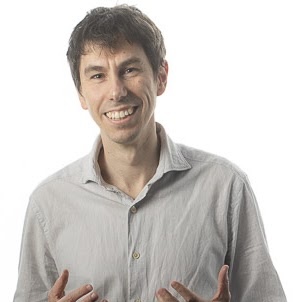
Mirco Ravanelli
Concordia University, Université de Montréal, Mila Quebec AI Institute
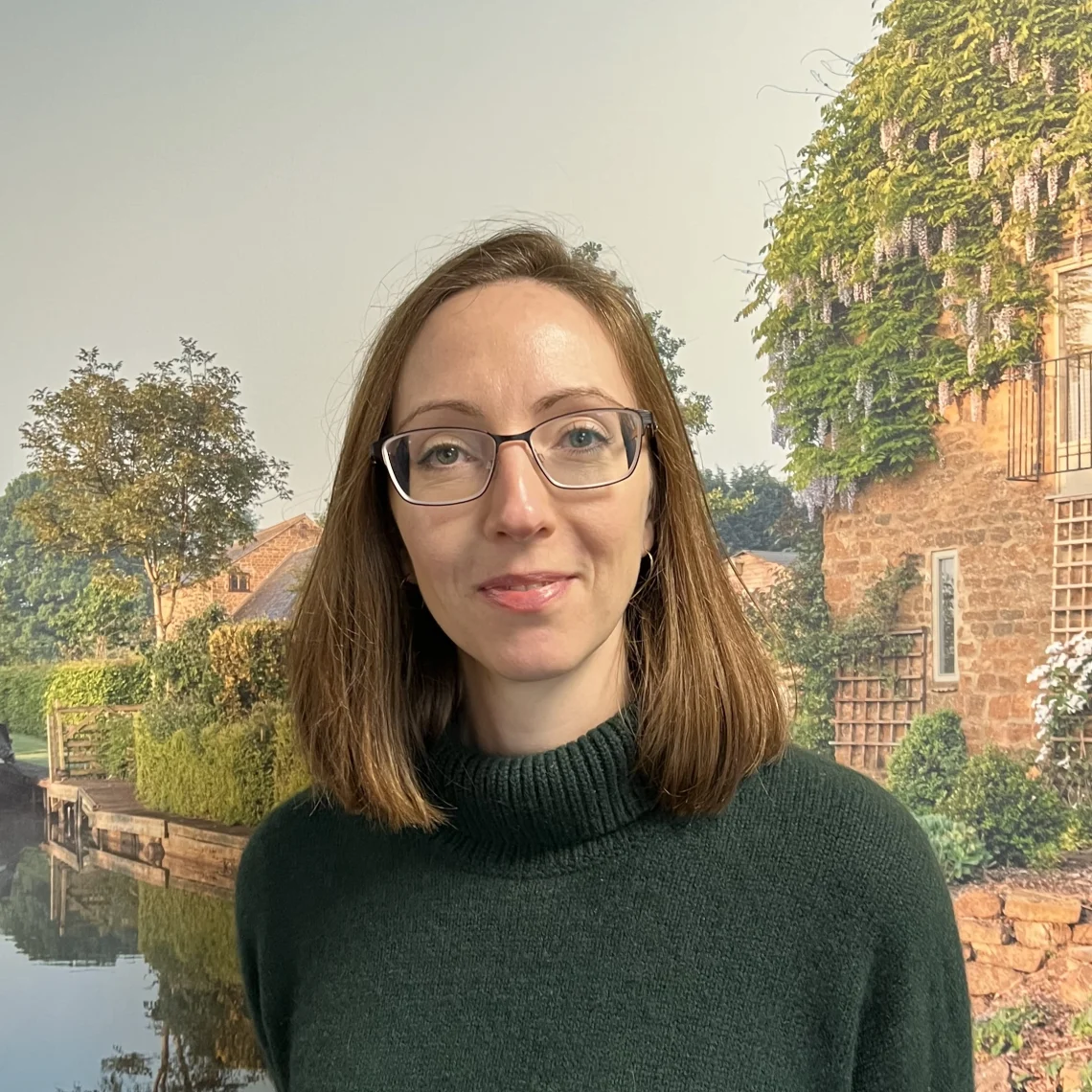
Natalie Voets
University of Oxford
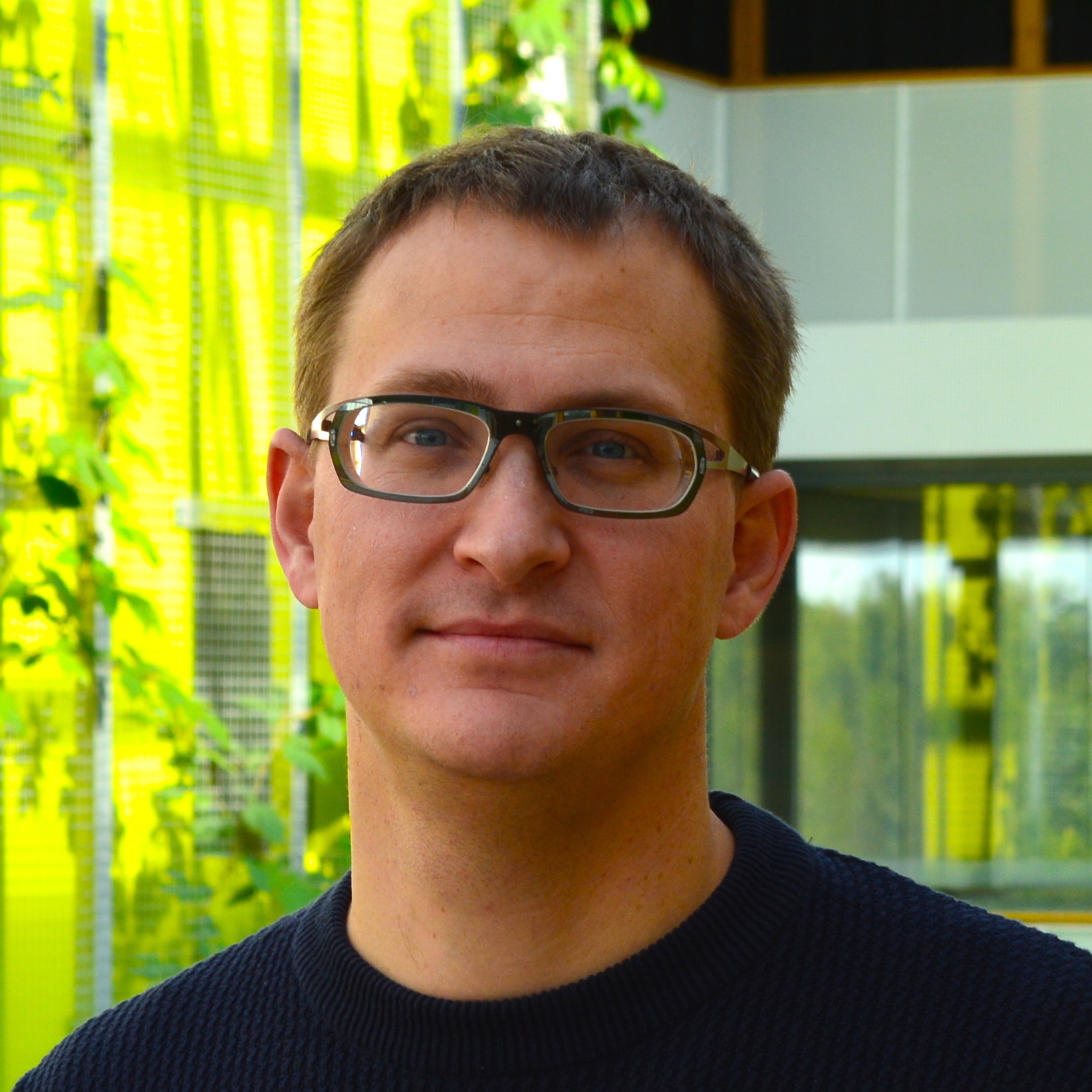
Alexandre Gramfort
Meta Reality Labs
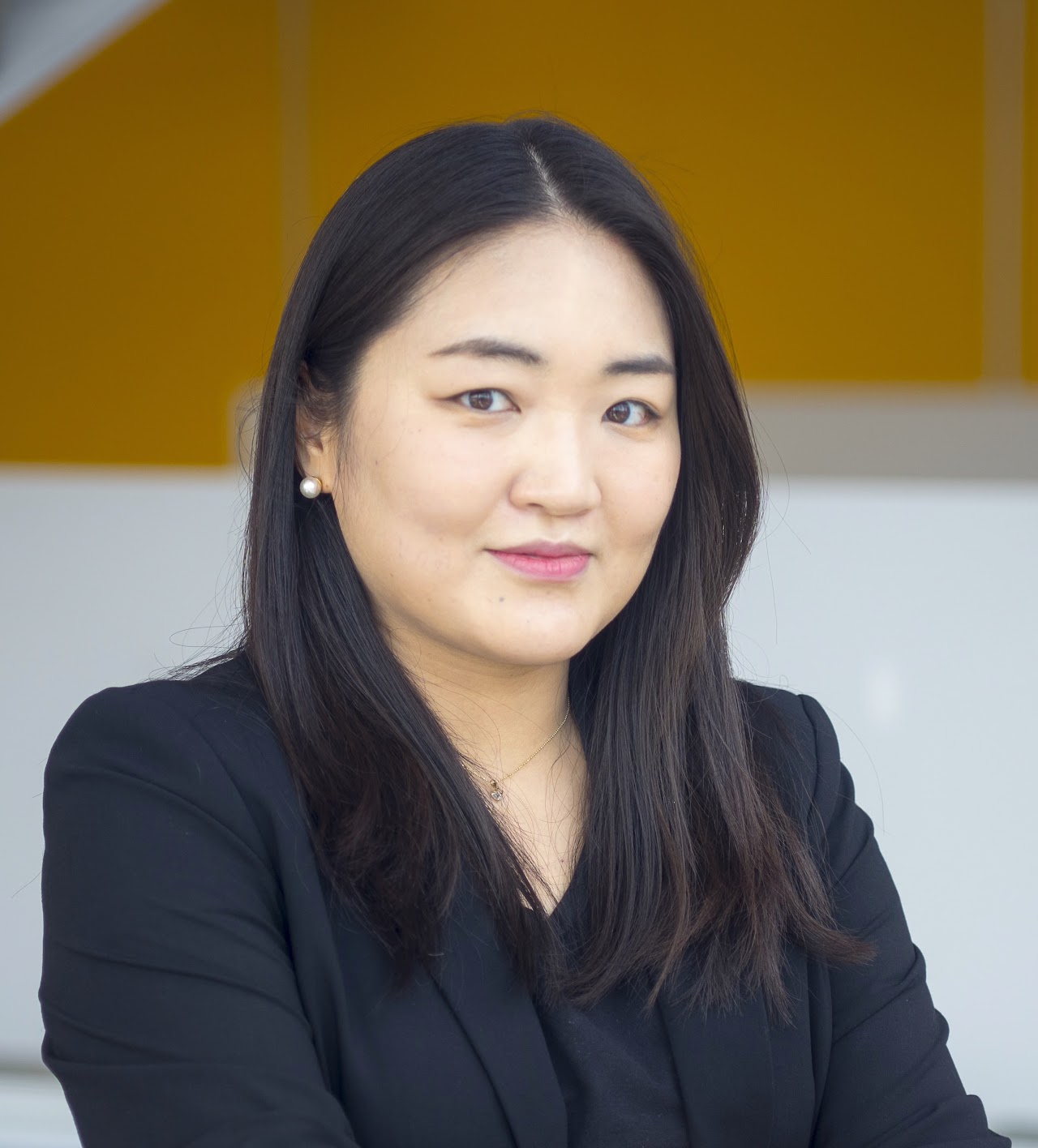
SueYeon Chung
Harvard University
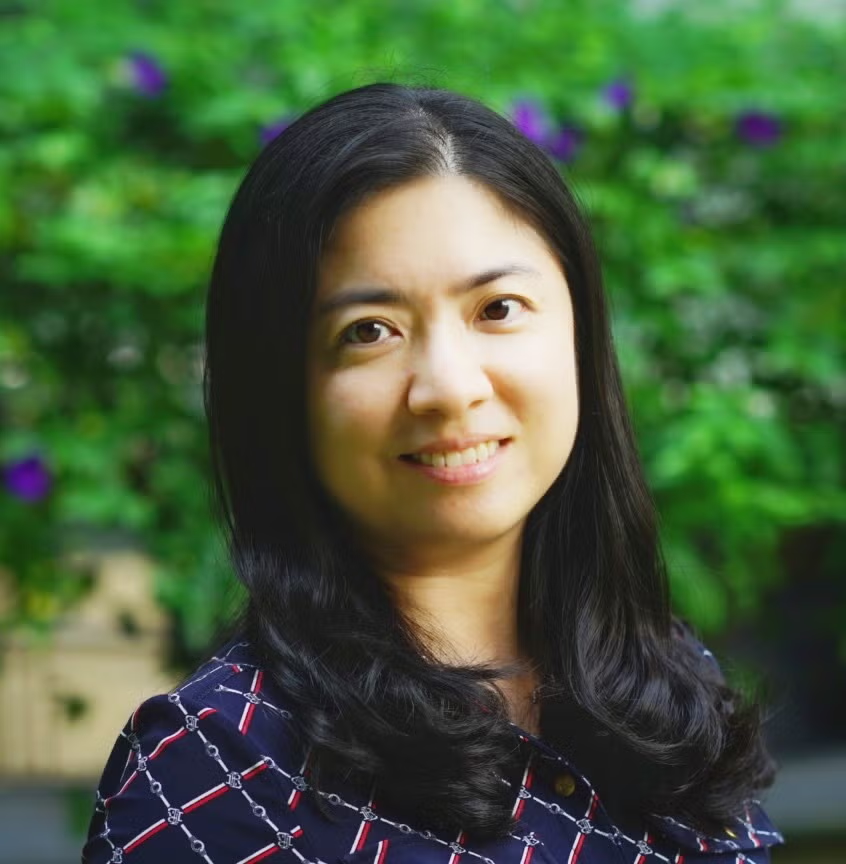
Juan Helen Zhou
National University of Singapore
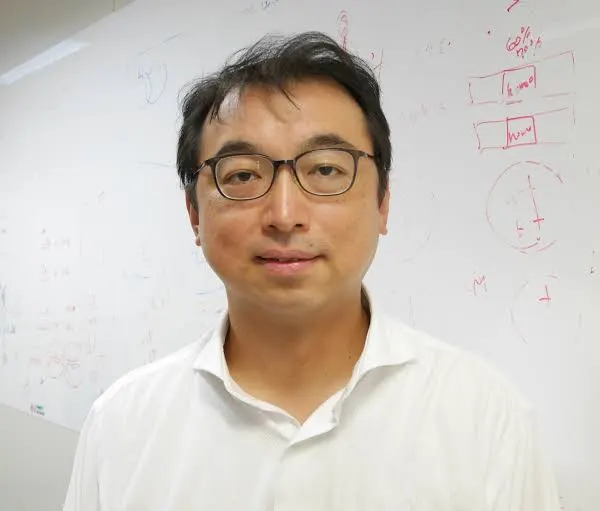
Yukiyasu Kamitani
Kyoto University, ATR Computational Neuroscience Laboratories
Call For Papers
We invite researchers at the intersection of machine learning, neuroscience, and related fields to submit their recent work on neural representations for BCIs. Accepted papers will be presented as spotlight talks or posters during the workshop.
Topics of Interest
Topics of interest include, but are not limited to:
- Time–frequency–phase representations for EEG/MEG/ECoG
- Spatial architectures for multi-channel neural signals: CNNs, graph neural networks, or attention mechanisms
- Cross-spectral features (Riemannian geometry on covariance matrices)
- Learned vs. engineered features for neural decoding: identifying when each approach excels and why
- Foundation models and multi-task representations across speech/motor BCIs
- Universal vs. task-specific neural representations: can one representation serve all BCI applications?
Submission Tracks
We offer two submission tracks:
- Full Papers: 4–8 pages (excluding references and appendices), with one additional page permitted upon acceptance.
- Short Papers: Up to 4 pages at submission time (excluding references and appendices). Accepted short papers may add one page for the camera-ready version.
References and appendices do not count toward the page limit. All submissions must use the ICML 2026 style. Accepted papers may add one extra page for the camera-ready version.
Reviewing Process
Submissions will undergo double-blind review on OpenReview. Each paper will receive at least two reviews evaluating novelty, clarity, technical soundness, and relevance, with reviewers encouraged to provide constructive, actionable feedback. All conflicts of interest will be handled by the program chairs to ensure a fair and unbiased review process.
Papers will be selected for oral (spotlight) or poster presentation based on quality, originality, and potential to stimulate discussion, with an emphasis on assembling a diverse and balanced program. Authors of accepted papers will submit a camera-ready version incorporating reviewer feedback. All accepted papers will be publicly available on OpenReview before the workshop.
Timeline
All deadlines are 11:59pm AoE (Anywhere on Earth).
- Submission opens: 9 April 2026
- Submission deadline (both tracks): 13 May 2026
- Review period: 13–26 May 2026
- Acceptance notification: 2 June 2026
- Camera-ready deadline: 16 June 2026
Accepted papers will be presented during poster sessions, with exceptional submissions selected for spotlight oral presentations. All accepted papers will be made publicly available as non-archival reports, allowing for future submissions to archival conferences or journals.
Demos & Neural Art Track
In addition to research presentations, we introduce a Demos & Neural Art track connecting neural representations with generative models driven directly by brain activity. This track features systems from both academia and industry, including Prof. Yukiyasu Kamitani on visual imagery decoding, the OBVIOUS collective (IMAGINE mind-to-image series), and Blackrock Neurotech's brain-controlled art and music.
Organizers
Contact Email: TBA
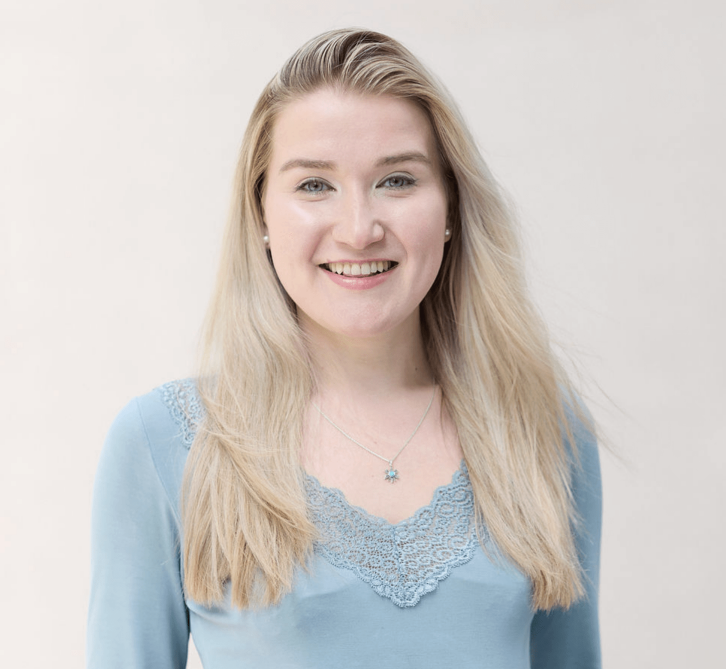
Mariya Hendriksen
University of Oxford
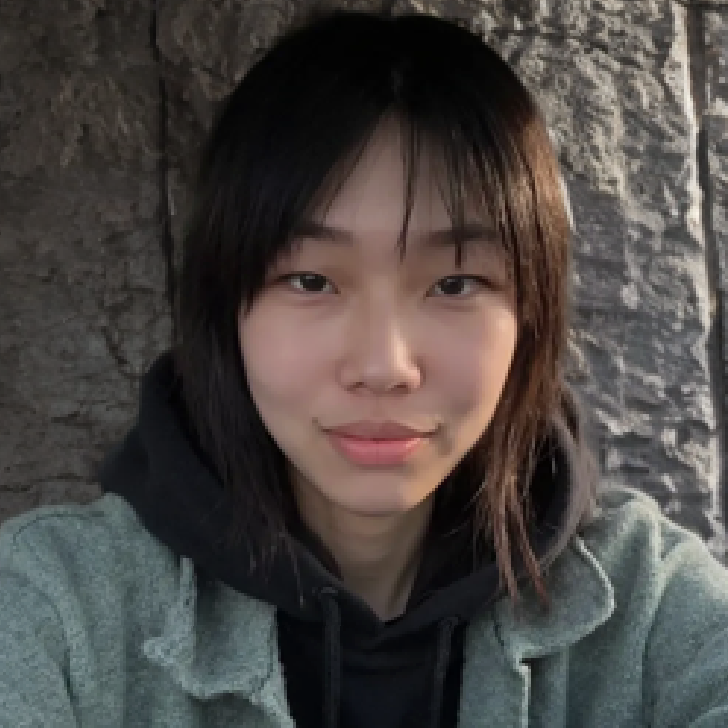
Tasha Kim
University of Oxford
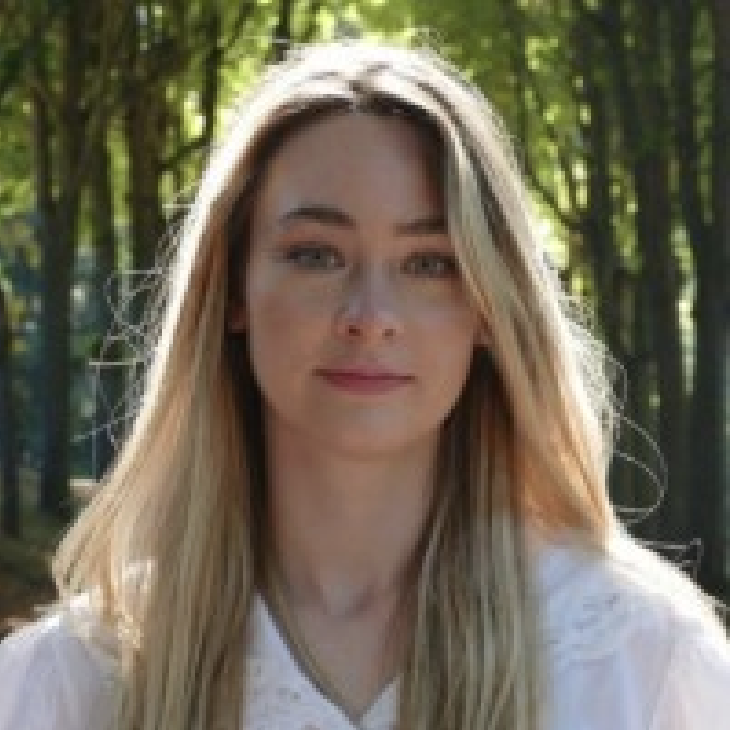
Ninon Lizé Masclef
Massachusetts Institute of Technology
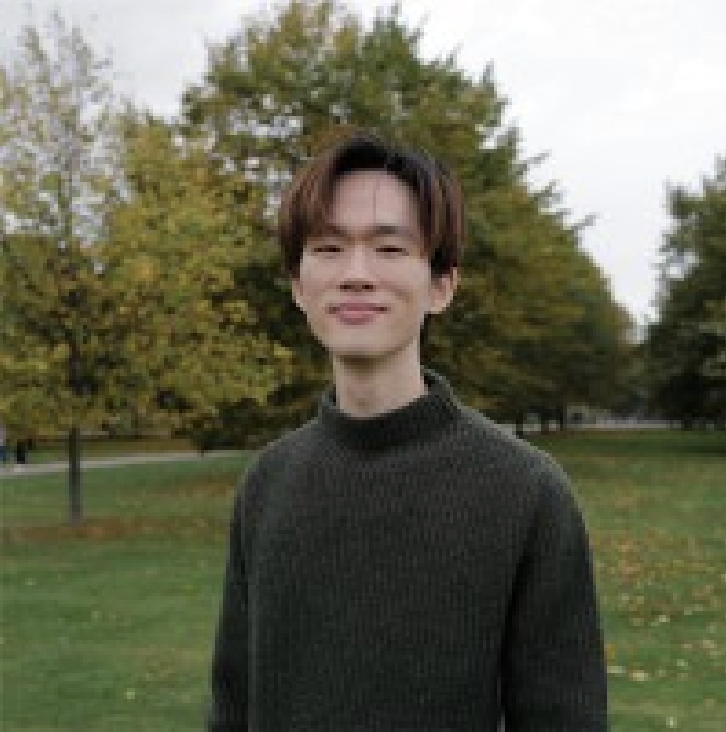
Teyun Kwon
University of Oxford
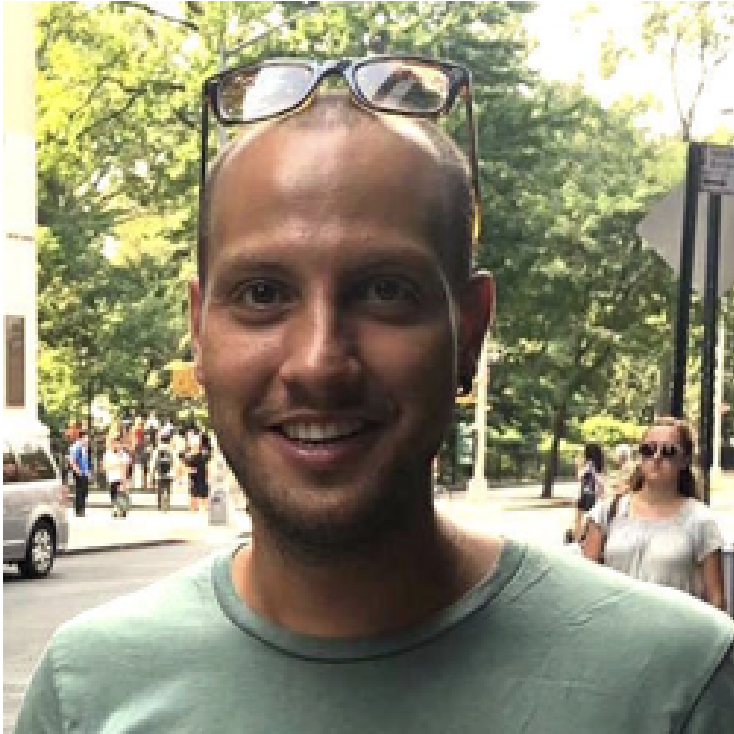
Francesco Mantegna
University of Oxford

Margaret Henderson
Carnegie Mellon University
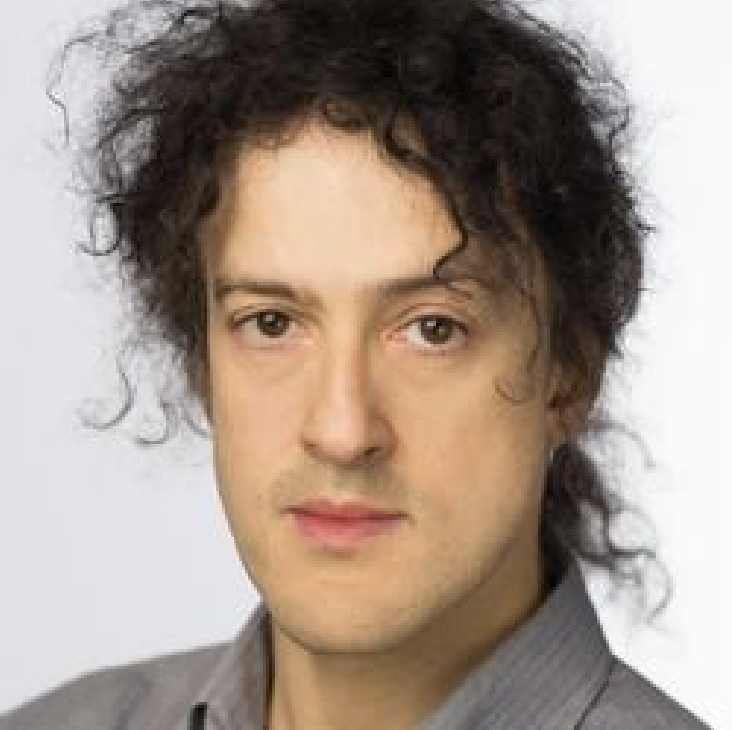
Philip Torr
University of Oxford
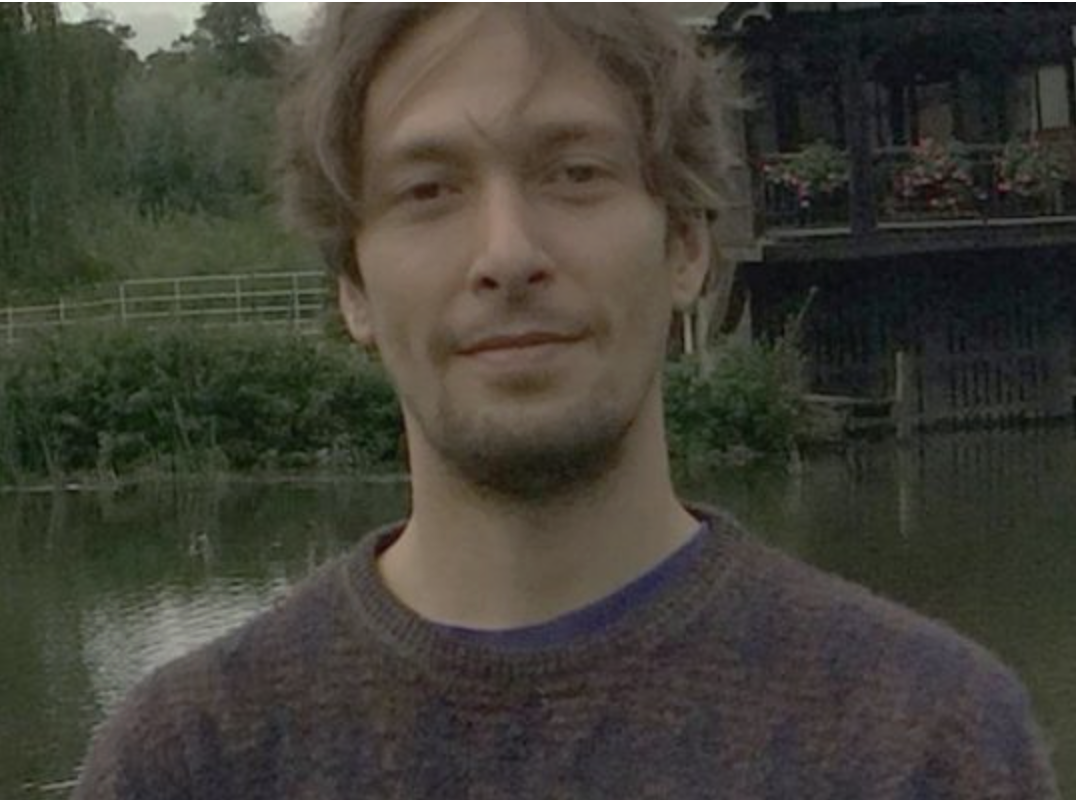
Oiwi Parker Jones
University of Oxford